Treated by Dr. Venkata Harin Reddy Muduganti at Dr Venkata Harin Reddy
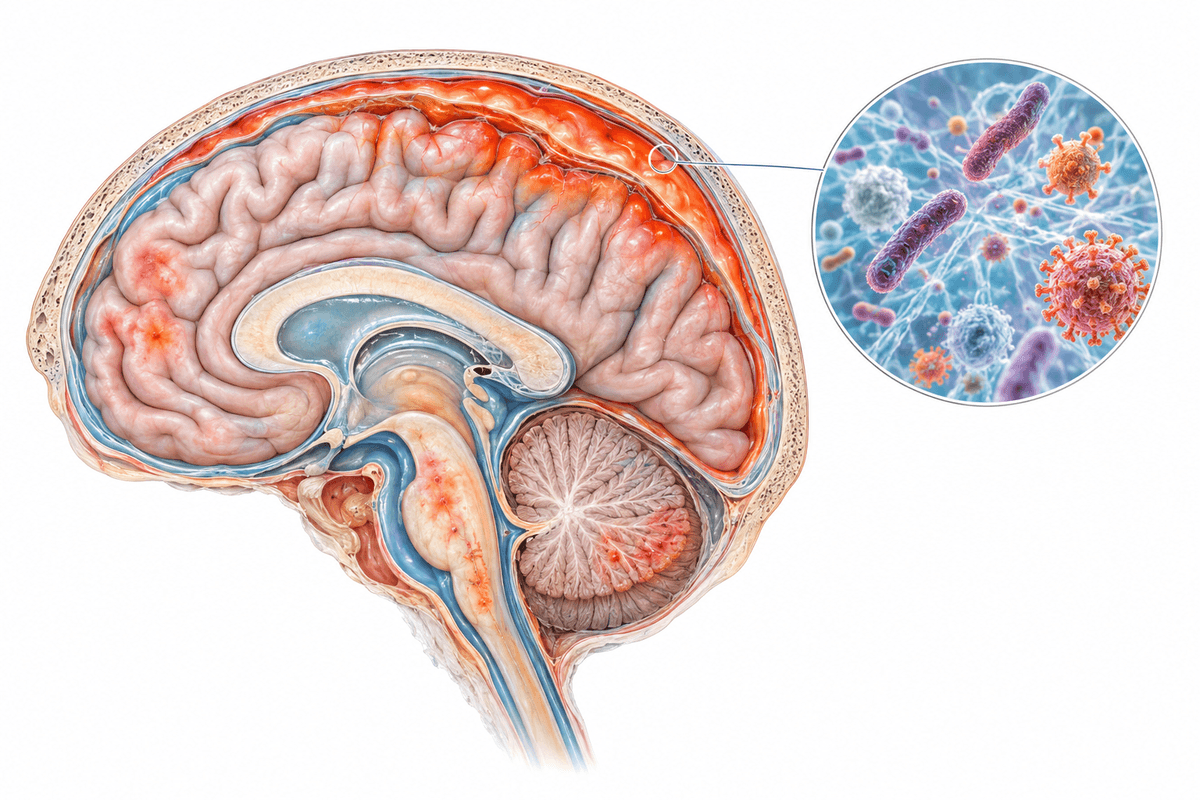
Brain infections in Hyderabad are serious neurological conditions where bacteria, viruses, fungi, or parasites invade the brain tissue or surrounding membranes, causing inflammation and potentially life-threatening complications. These infections include meningitis, encephalitis, and brain abscesses that require immediate medical attention. Dr Venkata Harin Reddy Muduganti specializes in diagnosing and treating brain infections with comprehensive neurological care.
Inflammation of the protective membranes (meninges) covering the brain and spinal cord, caused by bacterial, viral, or fungal pathogens. Symptoms include severe headache, neck stiffness, fever, and altered consciousness requiring immediate medical intervention.
Direct inflammation of brain tissue caused by viral infections, autoimmune responses, or other pathogens. Presents with confusion, seizures, behavioral changes, and neurological deficits that can lead to permanent brain damage if untreated.
Localized collection of pus within brain tissue resulting from bacterial or fungal infection. Causes focal neurological symptoms, headaches, and increased intracranial pressure, often requiring both medical and surgical management.
Multiple factors can contribute to the development and progression of this condition.
Brain Infections develops gradually. Recognising symptoms early gives you more treatment options.
From conservative to surgical — we always start with the least invasive option first.
A structured, patient-first approach from first visit to full recovery.
Dr Venkata Harin Reddy immediately evaluates vital signs, neurological status, and initiates emergency protocols including airway protection, IV access, and empirical antimicrobial therapy while arranging urgent diagnostic imaging and laboratory investigations.
Dr Venkata Harin Reddy orders MRI brain with contrast, lumbar puncture for CSF analysis, blood cultures, and specialized tests to identify the specific pathogen and assess extent of brain involvement, enabling targeted treatment planning.
Dr Venkata Harin Reddy designs personalized antimicrobial regimens based on diagnostic results, manages complications like seizures and increased intracranial pressure, and coordinates with neurosurgeons if surgical intervention becomes necessary.
Dr Venkata Harin Reddy provides ongoing neurological assessments, monitors treatment response through clinical examination and repeat imaging, manages medication adjustments, and arranges neurorehabilitation services for patients with residual deficits.
What to expect at each phase of recovery.
Intensive care with IV antimicrobials, close neurological monitoring, and management of acute complications. Patients remain hospitalized with daily assessments of consciousness level, motor function, and vital signs while infection is actively treated.
Transition to oral or long-term IV antimicrobials if needed, progressive mobilization, and initiation of rehabilitation therapies. Outpatient follow-up with serial imaging to confirm infection resolution and assess for any residual damage or complications.
Comprehensive neurorehabilitation including physical, occupational, and speech therapy for patients with neurological sequelae. Regular neurological evaluations to monitor cognitive function, seizure control, and adjustment of medications with gradual return to normal activities.
Many patients with viral meningitis and early-treated bacterial meningitis achieve full neurological recovery within weeks to months with no residual deficits, returning to normal daily activities and quality of life.
Some patients experience mild persistent symptoms including headaches, memory difficulties, concentration problems, or hearing loss that improve gradually over time with supportive therapies and do not significantly impact independence.
Patients with severe infections or delayed treatment may develop ongoing neurological impairments including seizure disorders, cognitive deficits, motor weakness, or vision problems requiring long-term management and rehabilitation support.
Bacterial meningitis and severe encephalitis carry mortality rates of 10-30% despite treatment, with highest risk in delayed diagnosis, immunocompromised patients, or those with aggressive pathogens, emphasizing the critical importance of early recognition and treatment.
Untreated brain infections rapidly progress to severe brain damage, seizures, stroke, permanent neurological disabilities, and death within hours to days. Bacterial meningitis has a mortality rate exceeding 50% without treatment, while survivors face devastating complications including hearing loss, blindness, cognitive impairment, and paralysis. Immediate medical intervention is essential to prevent irreversible brain injury and save lives.
Seek immediate emergency care if you or a loved one experiences sudden severe headache with fever, neck stiffness, confusion, seizures, sensitivity to light, or altered consciousness. These symptoms indicate possible brain infection requiring urgent neurological evaluation and treatment. Do not delay seeking medical attention as brain infections can deteriorate rapidly within hours, and early treatment significantly improves survival and reduces the risk of permanent brain damage.
Early treatment means more options and better outcomes. Book a consultation to understand your condition and explore the right path forward.